
Tier: Essential
Blade Runner (1982)
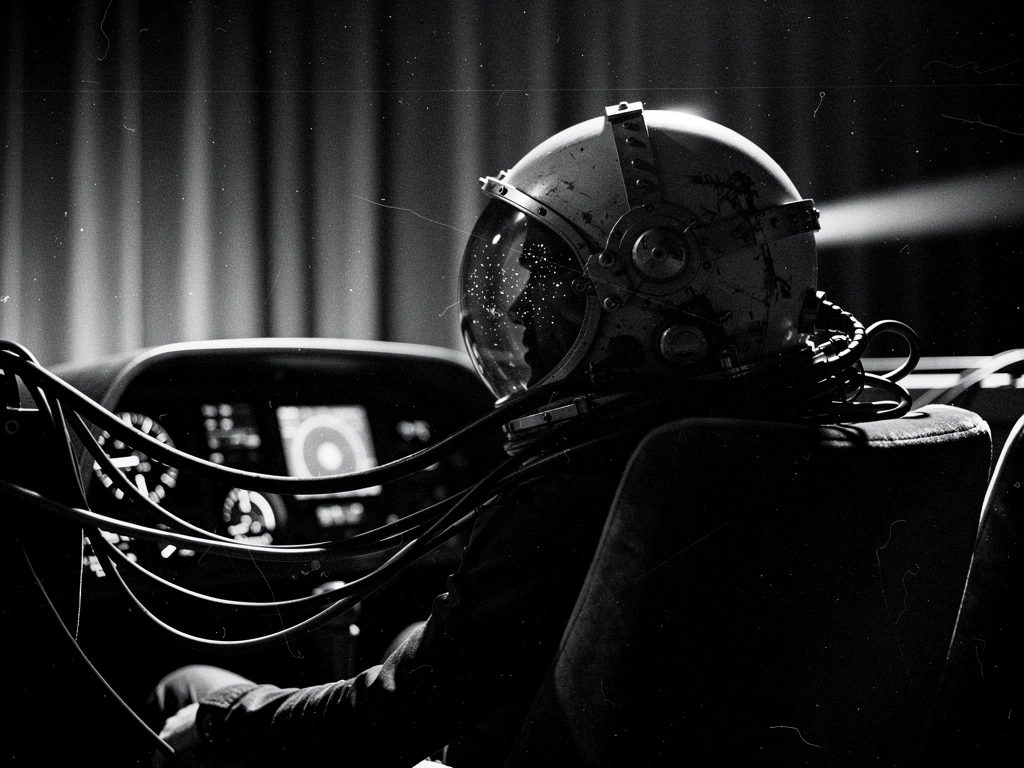
The foundational text for 'Techno-Noir'. Its questions regarding artificial legacy remain the genre's primary ethical barometer.
Difficulty: Advanced
Read Analysis

A rigorous editorial dissection of cinematic categories. From the historical shadows of Film Noir to the speculative ethical dilemmas of modern Sci-Fi, we analyze the structural tropes that define the medium.
Contemporary horror cinema has largely abandoned the reliance on mechanical jump scares in favor of psychological erosion. We are witnessing a transition where the monster is no longer a physical external threat, but a literal manifestation of grief or transgenerational trauma.
"The most terrifying narratives are those that force a character to confront their own internal instability."
Moving away from orchestral swells, modern horror utilizes low-frequency drones and silence to induce somatic anxiety.
The narrative structure mirrors the fragmentation of the protagonist's mind, often blending past and present seamlessly.
The use of transitional architectures—hallways, motels, suburbs—to emphasize a character's "stuck" psychological state.
Section 02 // Historical Continuity
The foundational text for 'Techno-Noir'. Its questions regarding artificial legacy remain the genre's primary ethical barometer.
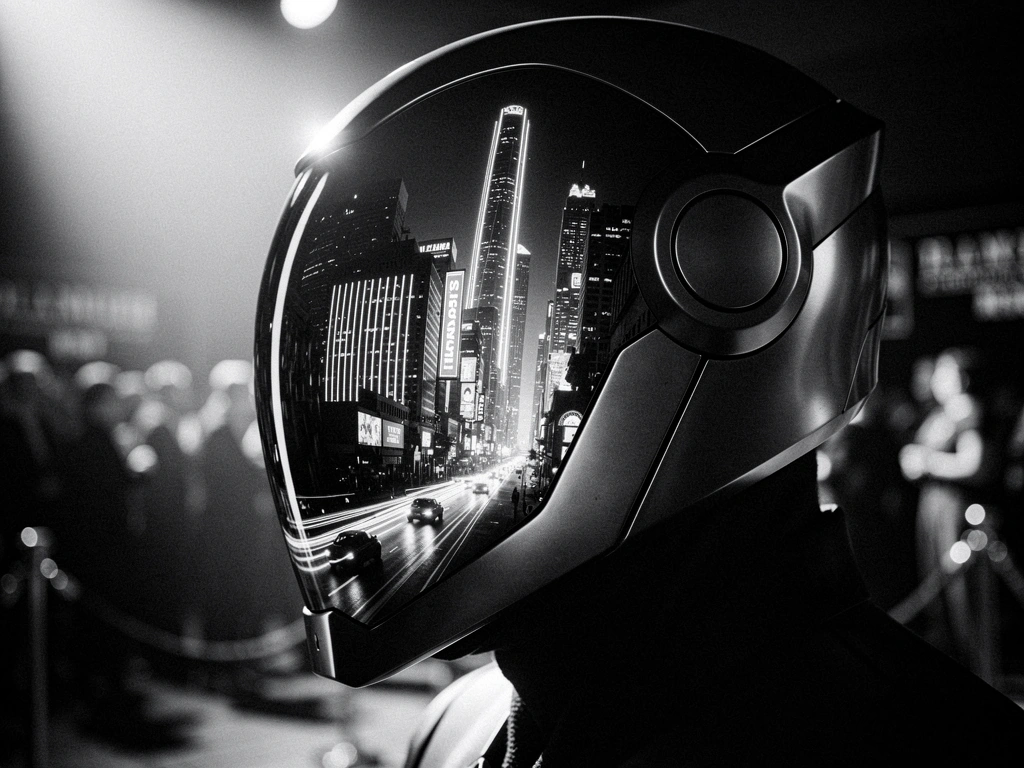
A pivot to 'Chamber Sci-Fi', focusing on linguistic manipulation and gendered power dynamics over spectacle.

The ultimate experiment in 'Hard Sci-Fi', crafted with zero budget but maximum narrative complexity and theoretical rigor.
How will the 'Coming-of-Age' genre adapt to a generation whose primary milestones are digital? We anticipate a shift where environmental storytelling occurs within nested virtual interfaces, moving away from the physical frontiers of traditional narrative.
Our analysis is strictly non-promotional. We verify production leaks against trade reports to ensure accuracy in every genre update.
Our MethodologyExplore the careers of directors who have fundamentally restructured genre conventions in the 21st century.
Browse DirectorsHave an insight about an evolving sub-genre? We welcome contributions from industry professionals and analysts.
Connect With Us