
The Mechanics
of Modern
Production
An authoritative look behind the curtain at the financial architectures and technical innovations shaping today's cinematic landscape.
The Standard Lifecycle
The journey from a script's first draft to the theater screen is a multi-year logistical odyssey. Understanding these phases is crucial to recognizing why certain creative compromises are made before the cameras even roll.
Over 60% of a film's budget is often consumed by 'above-the-line' costs—talent and directing fees—before physical production begins.
Pre-Production & Pre-Visualization
Modern directors now use low-fidelity digital models (Previs) to plan emotional arcs and complex camera movements months in advance. This phase increasingly includes sound design and acoustic planning for custom-built soundstages.
Principal Photography
The high-intensity window where practical effects and digital environments collide. The shift to LED volumes has forced final digital assets to be ready before filming, reversing decades of "fix it in post" mentality.
Post-Production & Distribution
Beyond editing and grading, this phase is dominated by testing screenings that can fundamentally alter a film's third act based on audience visceral reactions in suburban test theaters.
The Tools of Craft
Optical Standards
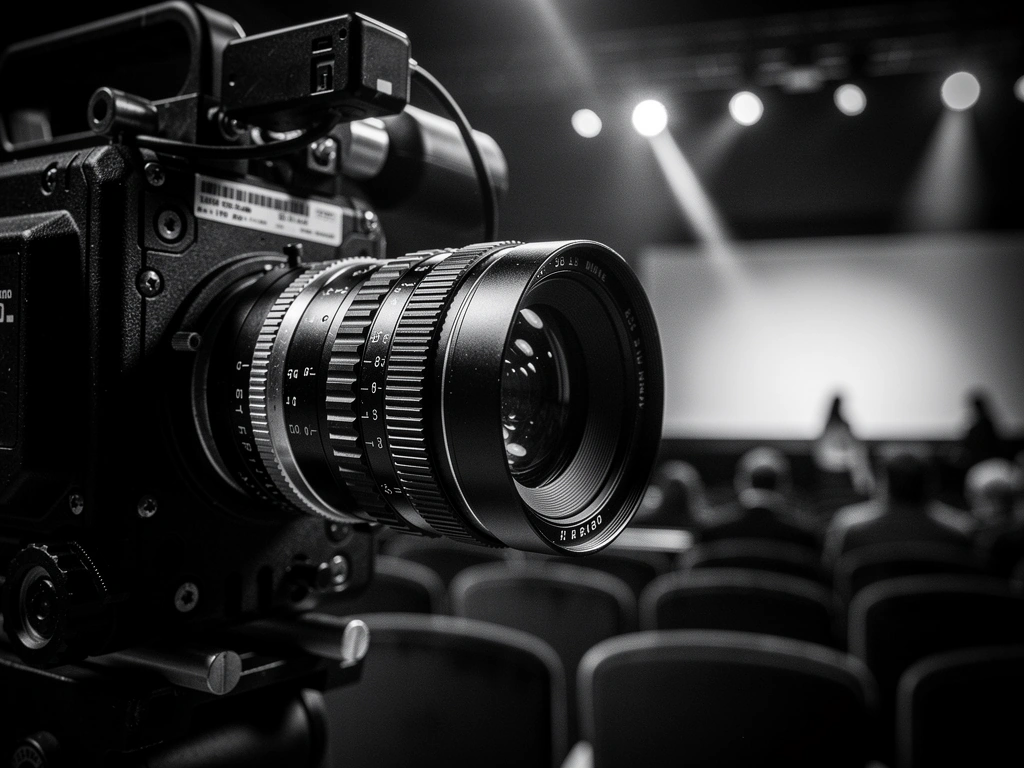
Anamorphic vs. Spherical
The choice of glass dictates the soul of the image. Anamorphic lenses provide that classic cinematic widescreen and oval bokeh, though they require more light and precise calibration.
Sensor Dynamics
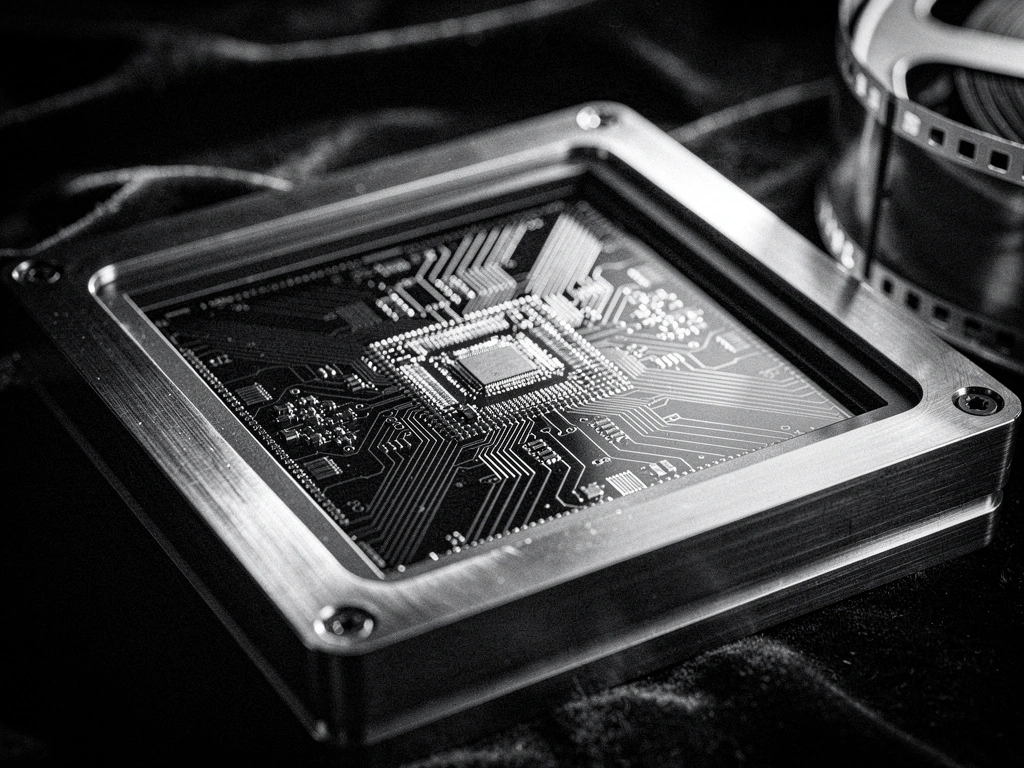
Large Format Digital
Modern sensors like the ALEXA 65 provide a shallow depth of field similar to 65mm film. This allows for intimate character focus even in massive, sprawling environments.
Environments
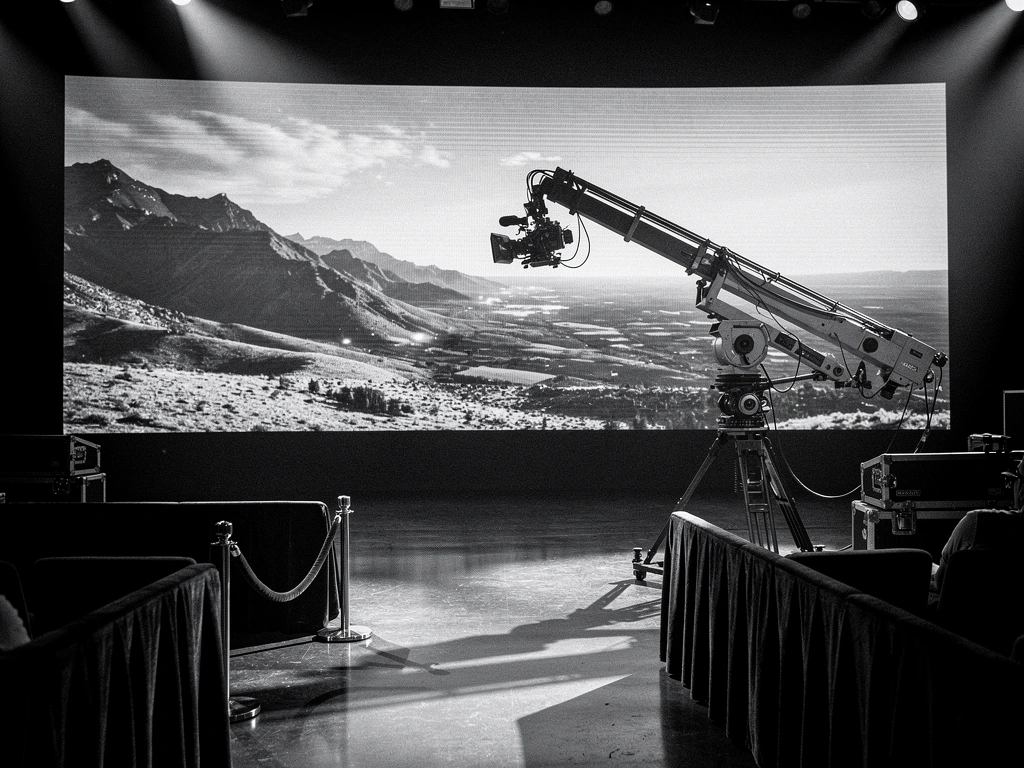
LED Volumes
Moving beyond green screens to real-time parallax environments has fundamentally changed actor interaction and lighting physics on set, creating more believable reflections.
The Economics of Hollywood
Development hell is rarely a creative failure; it is a breakdown of co-financing webs. A single studio exiting can freeze a project for years as insurance premiums for stunt-heavy productions spike.
Location Logic
Massive cities like Atlanta or Vancouver often stand in for New York due to aggressive tax incentives that dictate shooting locations.
The Marketing Gap
Mid-budget dramas are vanishing because marketing costs now frequently equal the production budget itself.
The Technique Dispatch
Monthly dispatches curated by professional cinematographers on technical production breakthroughs, financing shifts, and the evolving craft of cinema.
No Hype. Just Craft.
Verification
Every insight we provide is cross-verified against production reports and festival leaks to ensure industry-standard accuracy.
Safety Protocols
The emergence of 'Intimacy Coordinators' has moved from a niche requirement to an essential standard production line-item.
Risk Management
Insurance premiums remain the most significant hurdle for stunt-heavy films, dictated by the injury history of lead talent.
Technical Standards
We adhere to a strict interpretation of digital vs. practical assets, prioritizing craft-led analysis over marketing buzzwords.